


What Is a Reject Pocket on a Money Counting Machine?
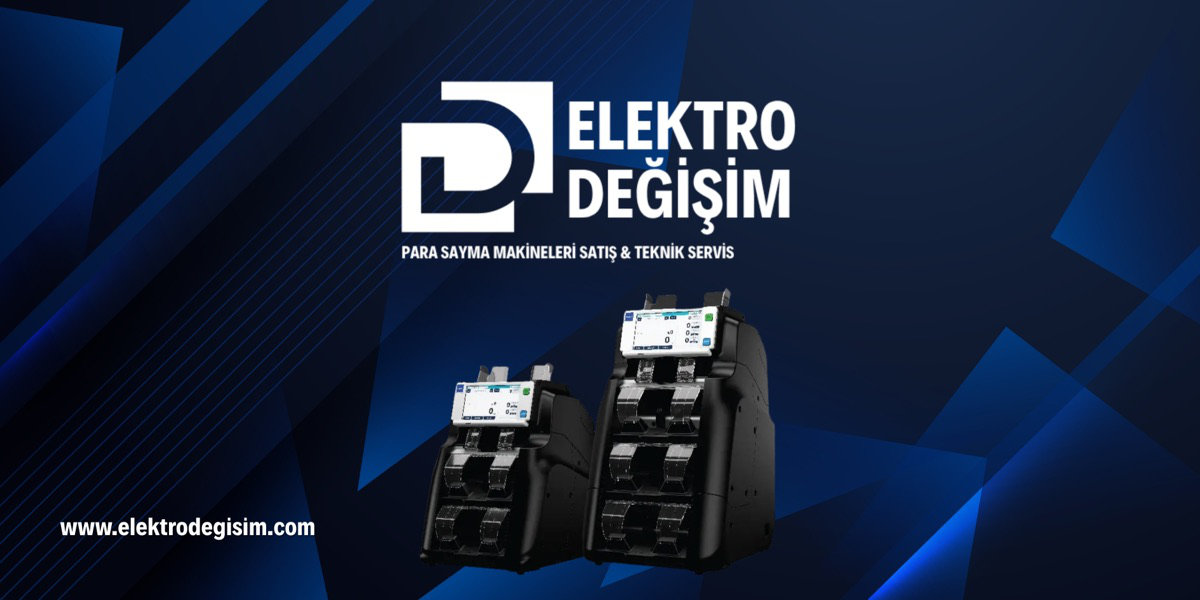
One of the features you meet most often on professional money counting machines is the second banknote pocket, known as the reject pocket.
So what does it actually do?
On a basic money counting machine, meeting a suspect or unrecognised note can stop the count. On a machine with a reject pocket, the unsuitable note is separated from the main stack and sent to the second pocket instead.
That way the count carries on without being interrupted.
How It Works Physically
The reject pocket is not a software setting. It is a second physical compartment inside the machine. Once a note is drawn from the hopper it passes in front of the sensors, the machine decides in that fraction of a second whether the note is acceptable, and a diverter sets the direction the paper takes.
Acceptable notes go to the main stacker, unacceptable ones to the reject pocket. Both happen in seconds and the machine never stops.
This is why pocket configuration appears as its own line in a specification sheet. A phrase such as "1 stacker + 1 reject pocket" tells you the device has one main compartment and one reject compartment. Single-pocket machines have no such diverter: when a problem note turns up, the count halts and you have to remove the note by hand.
Which Banknotes Go to the Reject Pocket?
Depending on the model and the counting mode in use, the reject pocket may receive:
- suspect banknotes,
- unrecognised denominations,
- notes of a different currency,
- banknotes in poor physical condition.
By poor physical condition we mean notes that are torn, taped, heavily creased, folded or stuck together. These are not necessarily counterfeit; any note the machine cannot read with confidence may end up in this pocket.
For businesses handling heavy cash volumes, this saves a significant amount of time.
A Common Misunderstanding
A reject pocket is not a counterfeit detector.
The pocket only does the separating. What decides why a note was separated is the machine's sensors and software. A note in the reject pocket may be counterfeit, but it is far more likely to be simply worn, fed in the wrong way round, or from another currency.
Counterfeit detection is a separate capability and depends on which sensors the device carries. Keeping the two apart matters, because "it has a reject pocket" does not mean "it catches counterfeits". For more on that distinction, see our article on how to detect counterfeit money.
What Do You Do With the Rejected Notes?
In practice it works like this. When the count finishes, the main pocket holds the verified bundle and the reject pocket holds the few notes the machine was unsure about.
You look at those few notes. Most of the time a note simply went in crooked or the wrong way round; you straighten it, run it again, and that is the end of it. If the note is worn, you set it aside for the bank. If the machine keeps rejecting the same note and it also looks doubtful to the eye, then it deserves separate attention.
The real gain is this: you do that check after the count, not in the middle of it. There is a substantial difference between a machine stopping and keeping you waiting while a customer stands in front of you, and a count that runs through so you can look at three notes at the end.
Who Benefits From It?
Money counting machines with a reject pocket are particularly useful for jewellers, exchange offices, hotels, retailers and any business with a high cash volume.
The difference shows up immediately in exchange offices counting mixed denominations. Different currencies and worn notes are an everyday occurrence there, and a machine that stops at every one of them adds up to a serious loss of time by the end of the day.
Does Everyone Need One?
No, and it is worth saying so plainly.
For someone counting a few small bundles during the day, a reject pocket is not essential. A business that counts notes in good condition a few times a day is served perfectly well by a single-pocket machine, without straining the budget.
But when you are working with hundreds or thousands of notes, a count that does not keep stopping makes daily operations much easier. To decide, look at how many notes you count per day and how worn those notes tend to be. For the full picture of what to weigh, our guide on how to choose a money counting machine may help.
The Reject Pocket on GLORY Models
On GLORY's professional money counting machines this arrangement is an important advantage across many models.
The GLORY GFS-220, for example, works with one stacker and one reject pocket; in mixed denomination counting it sends the notes it separates to the second pocket and keeps counting. On sorting machines built for institutions processing higher volumes, such as the GLORY UW-F Series and the GLORY USF-200, the sorting capability goes further still.
On devices designed for heavy use in particular, the aim is not only to count money quickly but to keep the counting process as uninterrupted as possible.
At Elektro Değişim we advise our customers to look beyond headline speed figures when choosing a money counting machine, and to weigh the features that genuinely help in daily use.
If your business handles a lot of cash, make sure you check whether a reject pocket is present when choosing a new money counting machine. If you are not sure which model fits, you can browse our products or call us and describe how heavily you use one.